 PAVE
Flying where nothing lands.
PAVE validates a ballonet-based altitude control system for aerobots, in an atmosphere that stands in for other planets.
The middle ground between landing and orbiting.
Surface lander
Short-lived. In hostile environments such as Venus or the gas giants, landers are often unfeasible or have extremely short operational lifespans.
Orbiter
Far away. Orbiters can provide only limited remote-sensing data. They never touch the atmosphere they study.
Variable-altitude aerobot
Long and close. Long-duration missions with high-resolution, in-situ data across different atmospheric layers. Also applicable to milder worlds such as Mars.
Inspired by Vega.
The Soviet Vega missions deployed the first balloons into the atmosphere of Venus. PAVE asks the next question: what if the balloon could choose its altitude?
Buoyancy is cheap.
By leveraging fundamental airship principles, an aerobot is a far more efficient platform than a rotorcraft drone such as the Dragonfly mission. For the same launch mass, a buoyant system needs drastically less energy to keep flying, which allows longer travel distances and a considerably larger scientific payload.
Pump air in. Pump air out.
A ballonet is a flexible secondary envelope inside the main balloon. The main envelope holds the lifting gas, helium. The ballonet pumps ambient air in or out, which changes the vehicle's mass and density. Altitude is managed without spending ballast and without venting lift gas.
What the flight must show.
Primary
Validate the altitude control system
Prove the ballonet-based system in a representative operating environment.
Measure the control response
Relative displacement, response time and repeatability after commanded changes in the ballonet.
Gather environmental data
Altitude variation, pressure and temperature, to interpret the pneumatic and overall aerobot performance.
Secondary
Correlate with a Simulink model
Compare measured flight behaviour with a theoretical system model, to guide controller development and future testing.
Test remote control under delay
Subject to flight time: relative-height tracking error, overshoot and task completion at simulated distances, against a zero-delay baseline.
The same patch, four atmospheres.
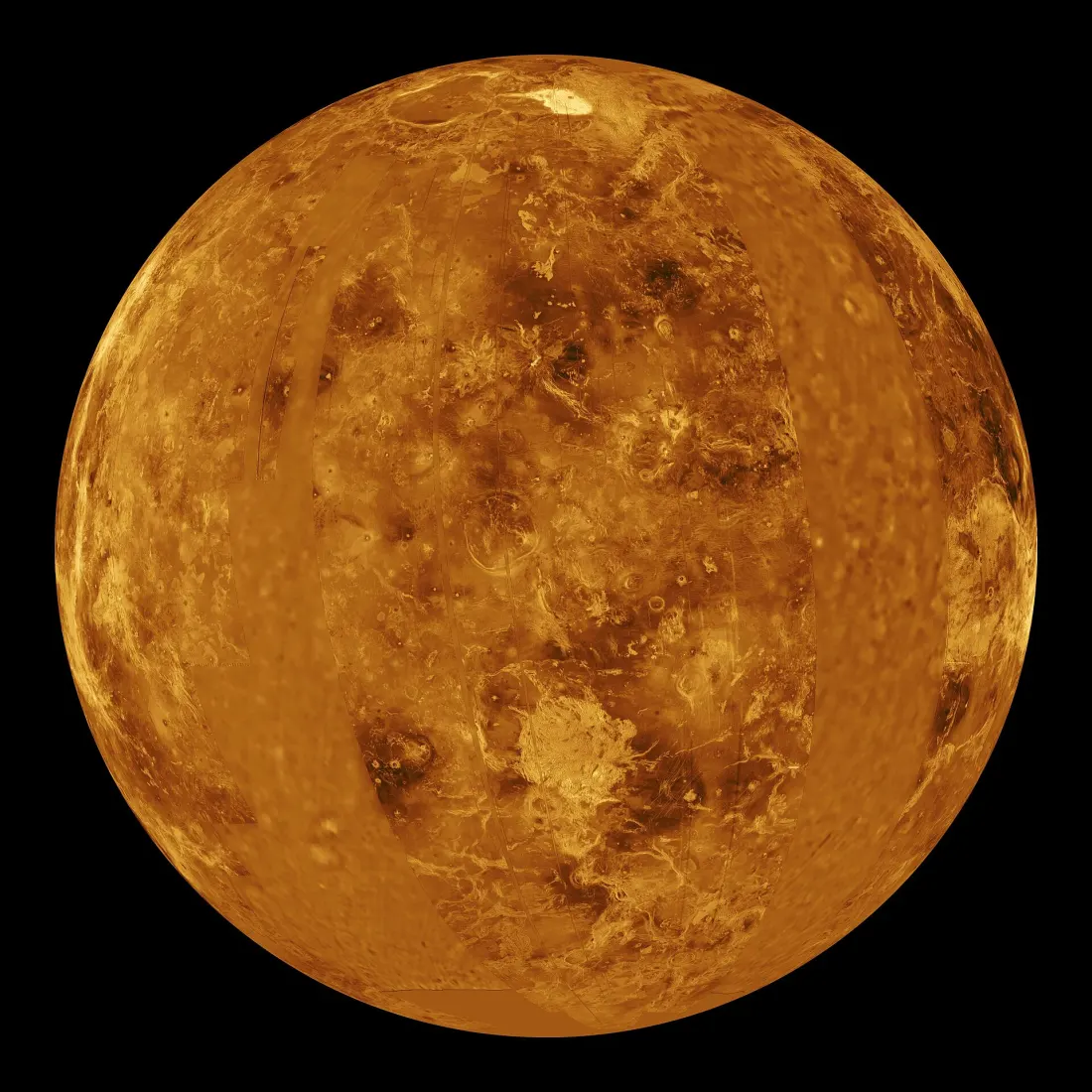
The PAVE mission patch shows the balloon over Venus, Jupiter, Mars and Neptune. The primary application of the technology is atmospheric exploration of bodies like these.
Venus
Where Vega flew the first planetary balloons.
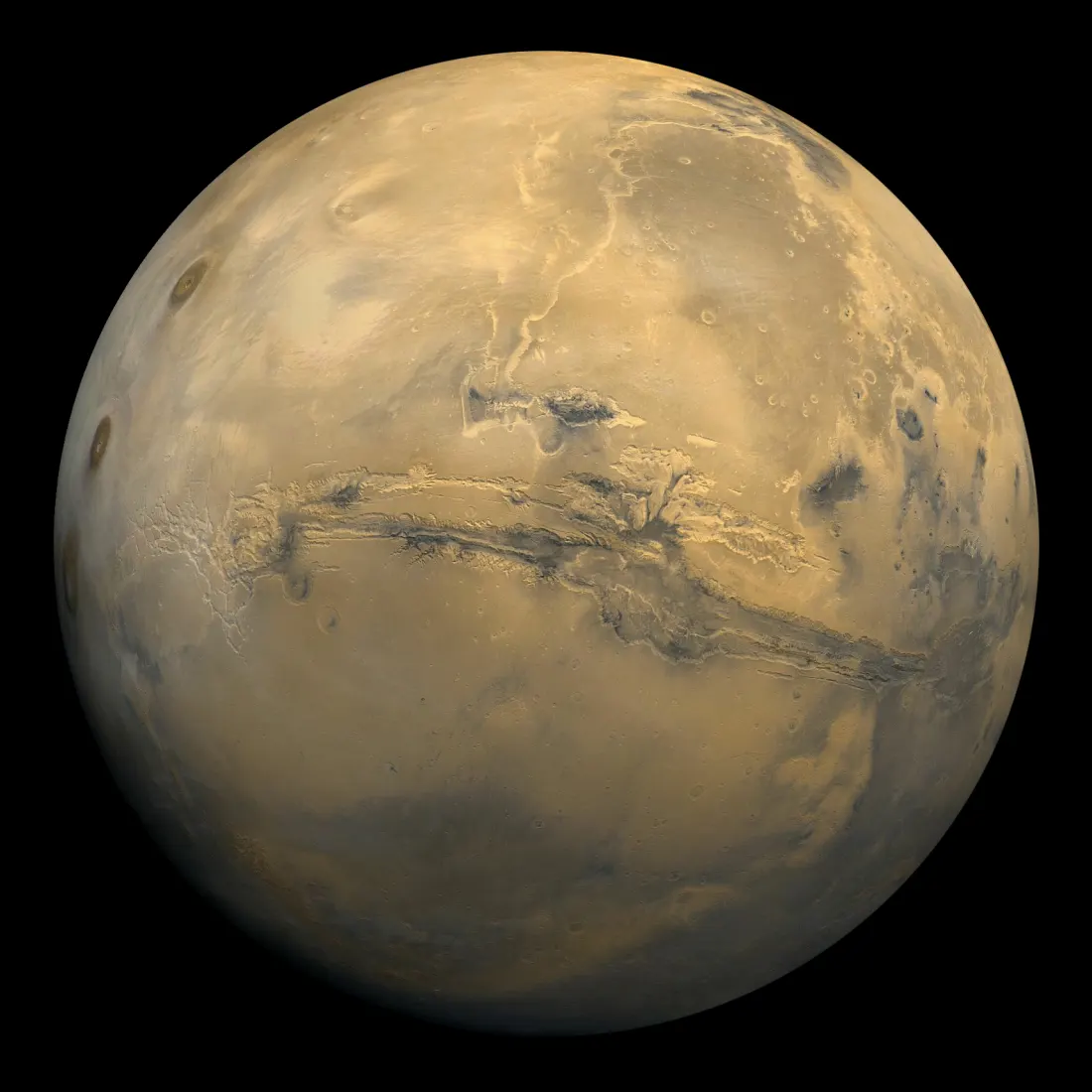
Mars
A thin atmosphere that stratospheric float reproduces.
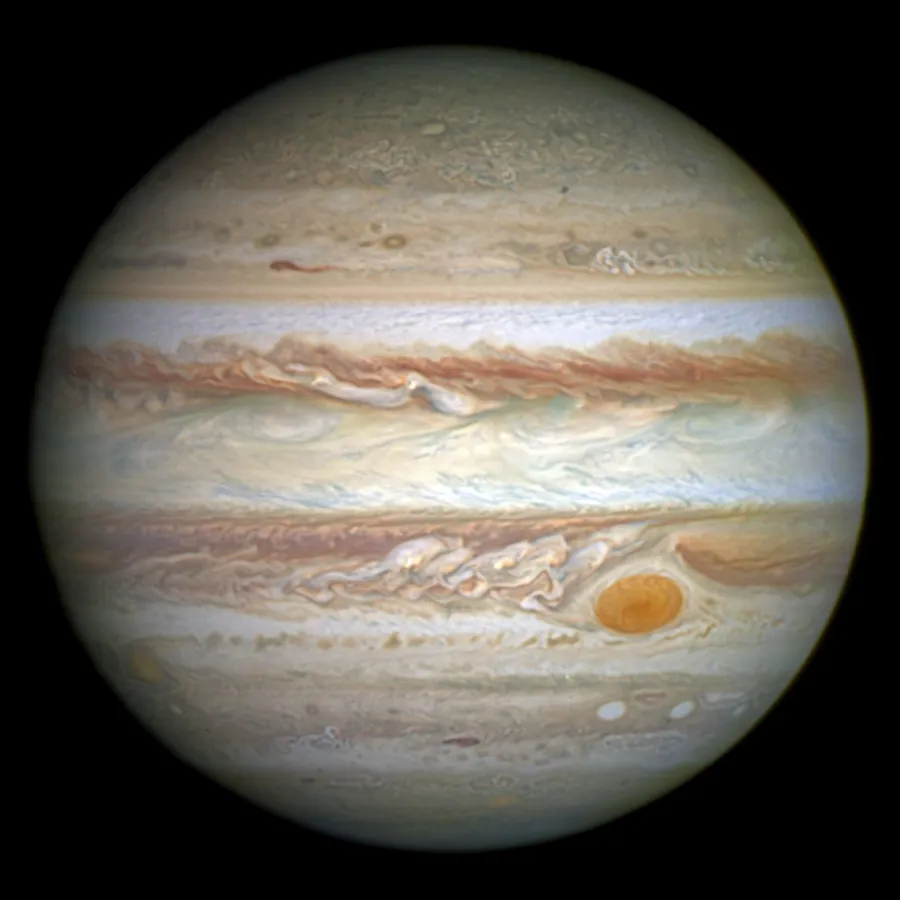
Jupiter
Gas giants, where landers do not apply.
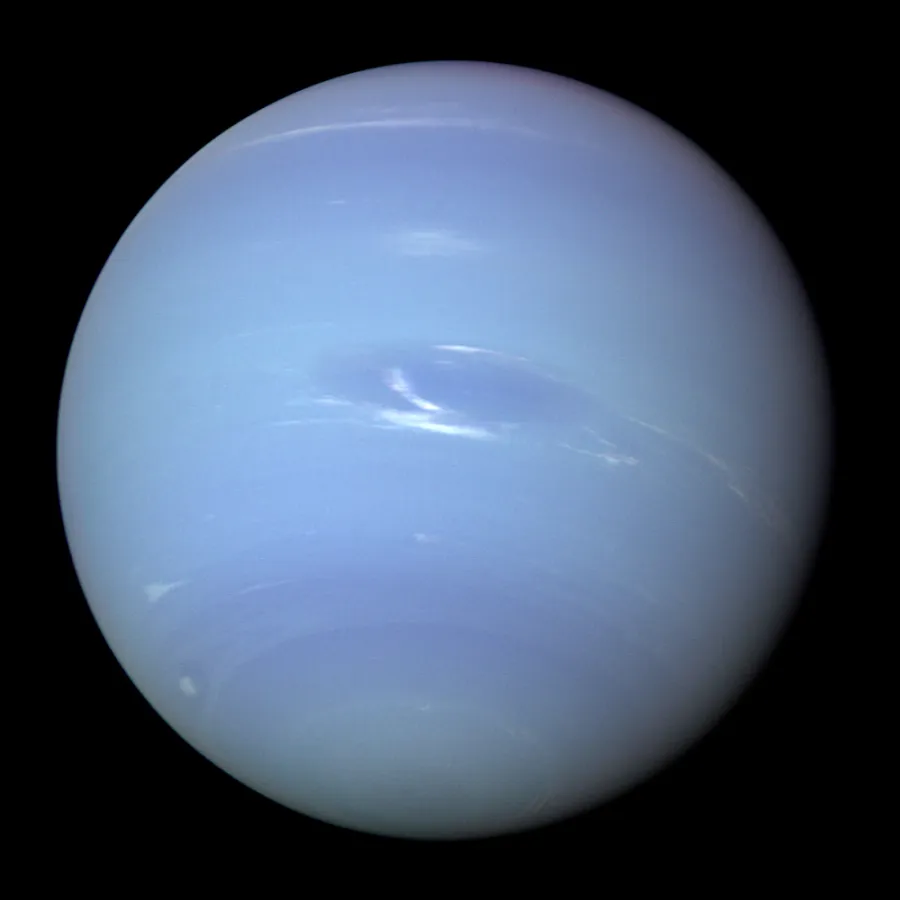
Neptune
Also on the patch, at the outer edge of the idea.
A demonstrator others can build on.
PAVE is a research demonstrator, not a flight-qualified product. Its data, models and design findings are meant to be reused.
- Space agenciesand research centres developing atmospheric exploration concepts, who can use the findings in studies of buoyancy-based altitude control for planetary balloons.
- Space companiesand balloon-platform developers investigating altitude control, drawing on the results and the integration experience.
- Universitiesand research groups in balloon technology, atmospheric science and control systems, comparing modelling approaches.
- Student teamsincluding PAVE members who go on to Master's or doctoral research and extend the model, the controller and the set-up.